
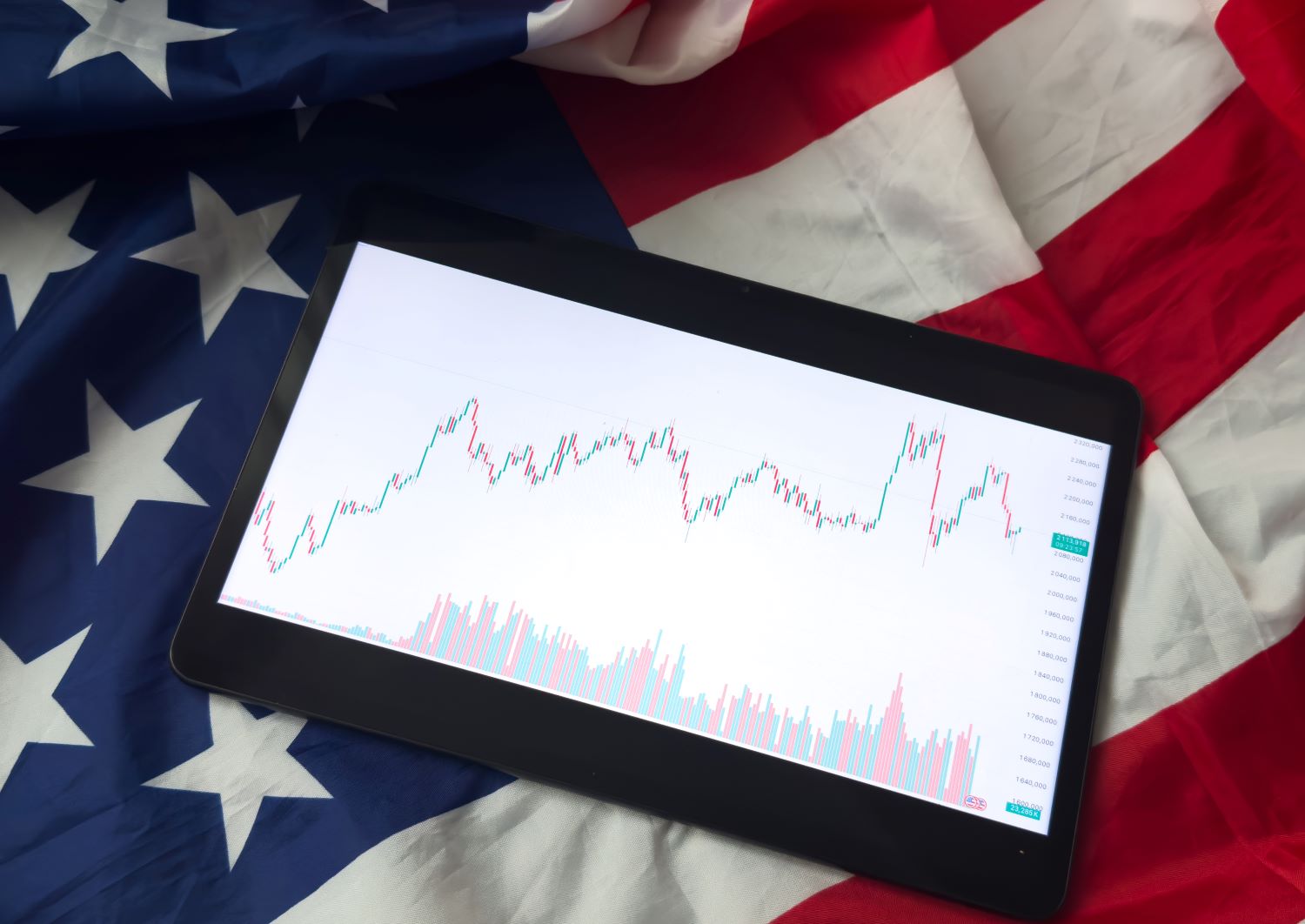
The performance of US stock prices is a topic of global interest among investors. Serving as a key indicator of the global economy, US stock prices reflect trends and directions for future investments. The pressing question remains, “Will US stock prices fall or rise?” Let’s explore the factors that influence changes in the US stock market.
Economic Conditions in the US and Globally
The state of the US and global economies significantly impacts stock prices. During periods of strong economic growth, businesses achieve higher profits, and employment rises, boosting investor confidence. As a result, stock prices tend to climb. Conversely, during economic slowdowns, business losses and layoffs can erode investor confidence, leading to stock price declines.
Federal Reserve Interest Rates
Interest rates set by the Federal Reserve (Fed) are a critical factor affecting US stock prices.
- Higher Interest Rates: When the Fed raises interest rates, borrowing becomes more expensive. This increases costs for businesses, potentially reducing profits and causing stock prices to drop.
- Lower Interest Rates: A reduction in interest rates encourages investment and consumer spending, creating favorable conditions for stock prices to rise.
Financial Reports and Corporate Earnings
Corporate performance reports directly influence stock prices.
- Strong Earnings: When companies report better-than-expected earnings, investor confidence increases, leading to higher stock prices.
- Weak Earnings: Conversely, disappointing earnings reports can result in stock price declines.
Investor Confidence
Investor sentiment can change rapidly, significantly impacting stock prices.
- Optimism: When investors anticipate market growth, they tend to buy more stocks, driving prices up.
- Concerns: Factors such as geopolitical tensions, political uncertainties, or financial market volatility may trigger sell-offs, leading to falling stock prices.
Political Factors and Government Policies
US politics and government policies play a substantial role in shaping stock prices.
- Economic Supportive Policies: Tax reforms, trade agreements, or business-friendly regulations can boost investor confidence, pushing stock prices higher.
- Adverse Policies: Policies perceived as detrimental to businesses or the economy can have the opposite effect, causing stock prices to decline.
Conclusion
US stock prices are influenced by a range of factors, including domestic elements such as economic conditions, interest rates, corporate earnings, and political policies, as well as external factors like natural disasters or unexpected global events. Investors should stay informed and carefully analyze data before making investment decisions to effectively navigate stock market volatility.