
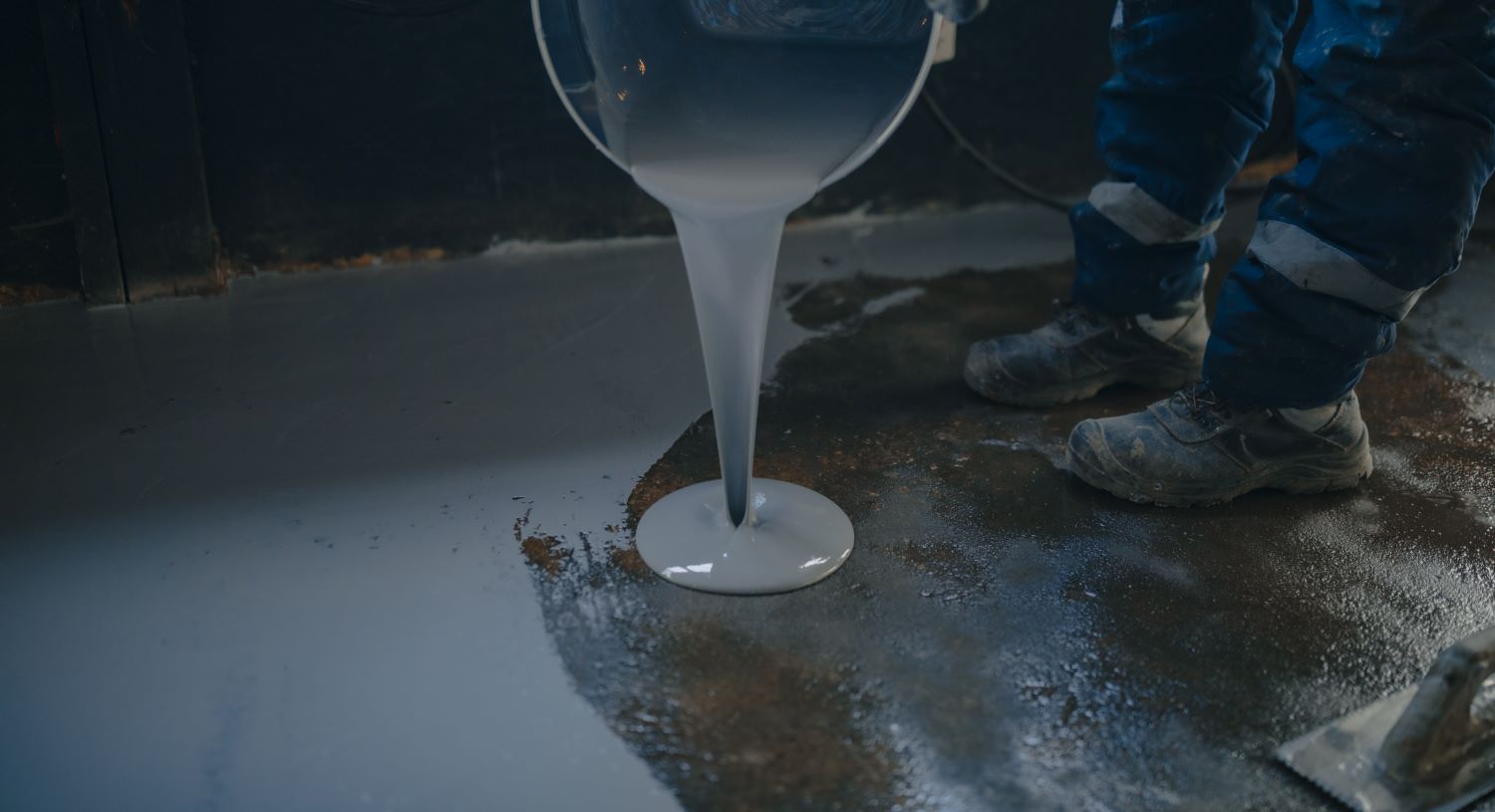
Self-leveling compound is a construction material designed to automatically level surfaces with ease and precision. Its properties make it an excellent choice for leveling surfaces in both commercial buildings and residential spaces. Whether preparing a surface for new flooring or repairing uneven surfaces, self-leveling compound ensures smooth and even results.
Features and Applications of Self-Leveling Compound
Self-leveling compound is a high-priority material for construction projects, offering ease of use and efficient surface leveling. This material is uniquely formulated to flow and distribute evenly, making it a popular choice for projects requiring durability and stability across various spaces.
Benefits of Using Self-Leveling Compound
Versatile Applications
Self-leveling compound is ideal for both high-traffic commercial areas and residential spaces, offering smooth and balanced surfaces that meet diverse needs. Its versatility ensures efficient and high-quality performance.
Time-Saving Efficiency
The self-flowing properties of this compound allow for faster application and leveling, reducing installation time while maintaining excellent results.
Quality Control in Self-Leveling Compound
Self-leveling compound undergoes stringent quality control measures to ensure its reliability and effectiveness. Its production focuses on achieving optimal performance and user convenience through precise material formulation.
Quality Control Steps
Product Selection
- Material Quality: Choose products with high-quality ingredients meeting industry standards.
- Mixing Ratio: Ensure accurate water-to-compound ratios for optimal consistency.
- Shelf Life: Check the product’s expiration date to ensure it retains its quality.
Surface Preparation
- Cleaning: Remove dirt, grease, and dust from the surface.
- Repairing Cracks: Seal cracks and uneven areas to create a solid base.
- Priming: Apply a primer to enhance adhesion between the compound and the existing surface.
Mixing the Compound
- Tools: Use appropriate mixing tools for thorough blending.
- Mixing Time: Follow the recommended mixing time for consistent results.
- Temperature: Maintain the correct temperature for water and compound as specified.
Application Process
- Thickness: Ensure consistent thickness during application.
- Spreading: Use tools to spread the compound evenly.
- Leveling: Utilize leveling tools for a perfectly smooth surface.
Maintenance
- Curing: Allow the compound to dry and cure as per the specified time.
- Protection: Prevent the surface from exposure to water or chemicals during the curing period.
Conclusion
Self-leveling compound is an essential material for construction and surface leveling. It not only smooths and evens surfaces but also enhances work efficiency and reduces installation time. With its ability to flow and self-level with precision, self-leveling compound proves to be a superior choice for various applications, from preparing floors for new finishes to repairing damaged surfaces.
Additionally, its strict quality control measures ensure reliable and satisfactory results, making it a smart and cost-effective solution for construction and renovation projects of all kinds.