
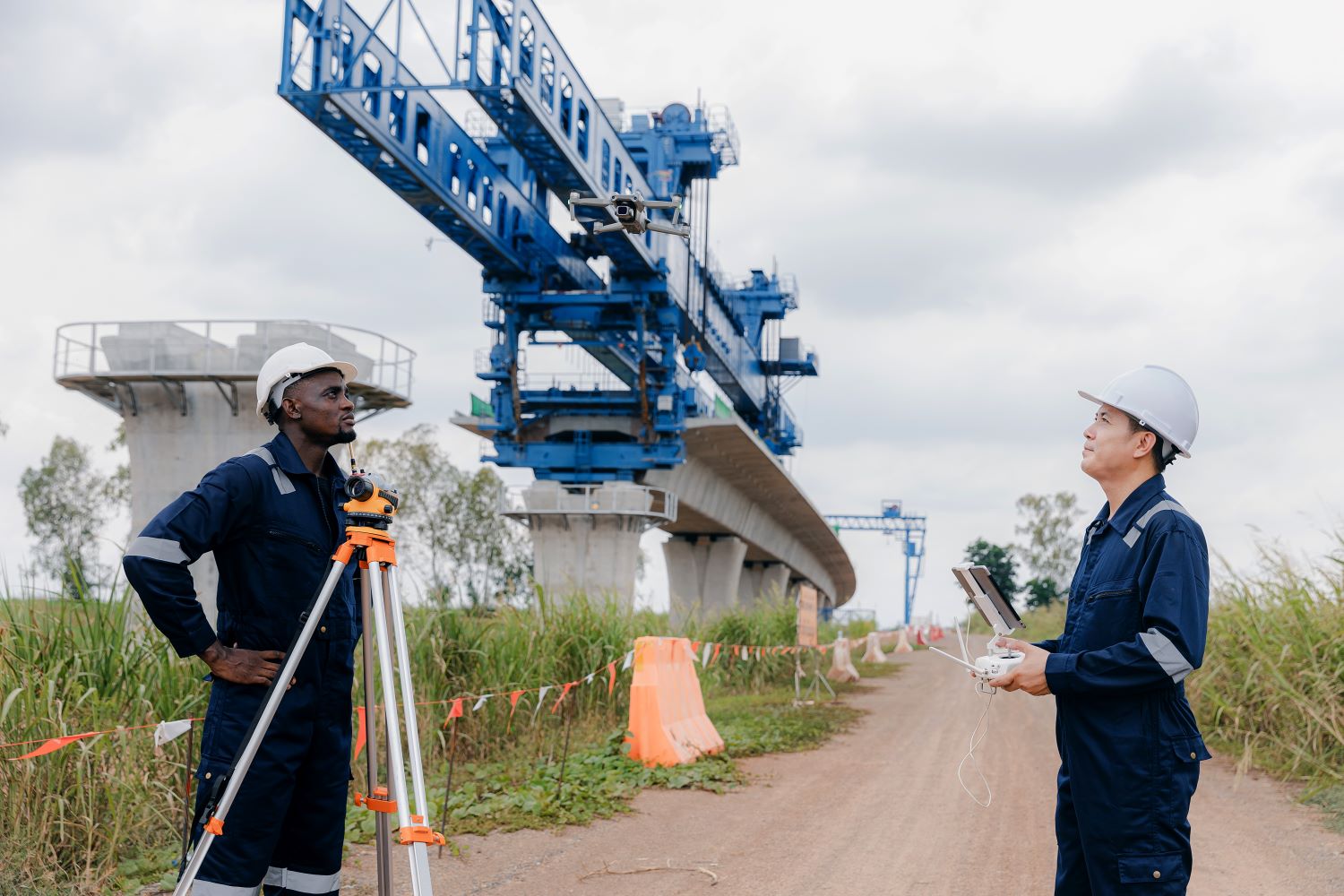
Construction companies play a vital role in developing infrastructure, creating jobs, supporting investment, and meeting community needs. Their operations not only add economic value but also positively impact quality of life and the environment in the long term.
Infrastructure Development
Construction companies are the key players in building essential infrastructure such as roads, bridges, office buildings, and schools. These structures form the foundation for community and national development. Quality infrastructure facilitates efficient transportation, trade, and services.
Job Creation and Economic Growth
The construction industry provides employment to local workers and skilled professionals, including builders, engineers, architects, and project managers. Job creation stimulates local and national economies, driving growth across multiple sectors.
Supporting Investment
Reliable construction companies attract both domestic and foreign investment. Investors are more likely to fund projects in areas with high-quality construction, contributing to long-term economic development.
Residential Development
Construction companies play a crucial role in creating housing that meets the needs of the population, whether it’s single-family homes, condominiums, or housing estates. Adequate and high-quality housing enhances people’s quality of life.
Sustainable Development
Construction companies have a responsibility to use environmentally friendly materials and technologies, such as renewable energy and effective waste management systems. Sustainable practices help preserve natural resources and the environment for future generations.
Criteria for Choosing a Construction Company
Selecting the right construction company requires evaluating several factors to ensure quality and suitability.
Key Factors to Consider
Experience and Past Work
Start by reviewing the company’s years in business and its previous projects. Request portfolios or a list of past clients to assess their expertise.
Licensing and Certifications
Ensure the company has valid business licenses and certifications, such as ISO 9001 or ISO 14001, to confirm their quality standards.
Specialized Expertise
Choose a company with expertise tailored to your project’s needs. Check the qualifications of their key personnel and project team.
Financial Stability
Review the company’s financial status and its ability to secure necessary resources and manage cash flow effectively.
Equipment and Resource Availability
Evaluate the company’s readiness in terms of machinery, equipment, and construction materials. Strong project management and quality control systems are also critical.
Social and Environmental Responsibility
Consider the company’s policies on social responsibility and environmentally friendly practices.
Proposal Details and Contracts
Carefully review the details of proposals and draft contracts. Request references from previous clients to gauge satisfaction and reliability.
Conclusion
Construction companies play an essential role in building a nation’s infrastructure, including roads, bridges, office buildings, and schools—critical foundations for community and economic development. Furthermore, the construction industry generates employment across various skilled fields, boosting both local and national economies.